
Non Surgical Rhinoplasty
- Dermal Filler
- Non Surgical Rhinoplasty
Non Surgical Rhinoplasty
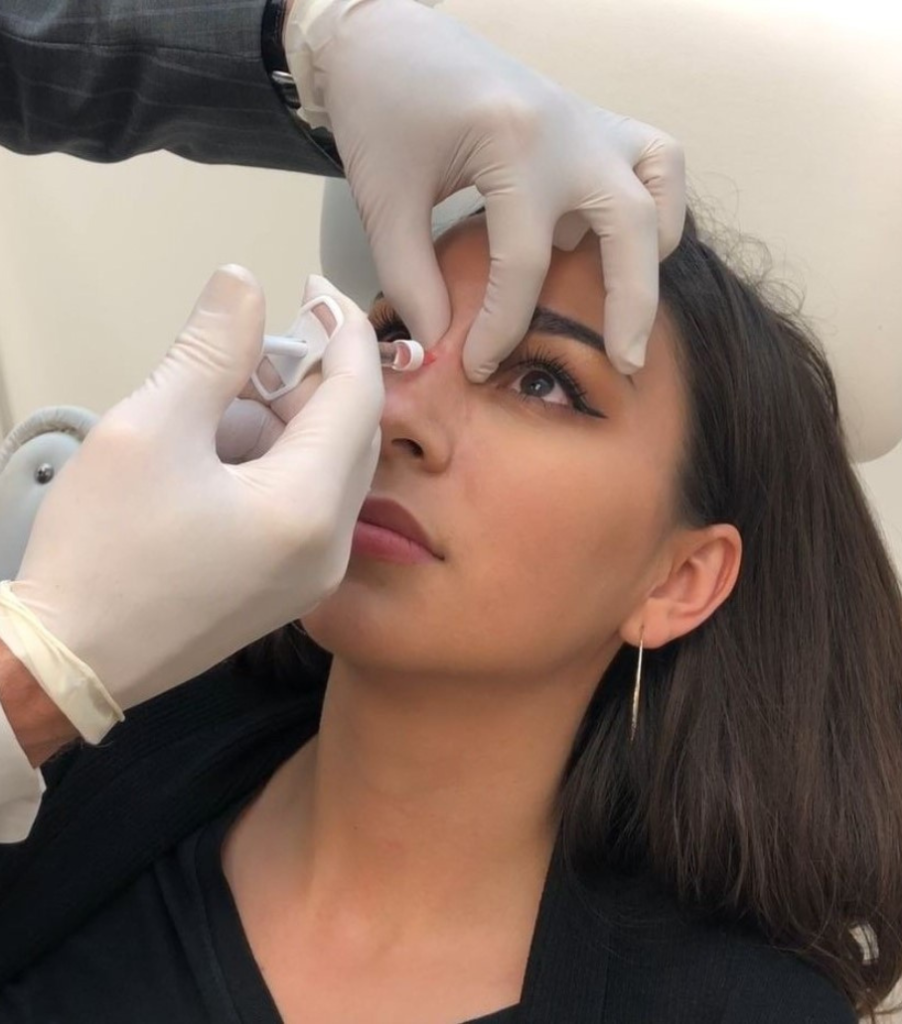
Non-surgical rhinoplasty, also referred to as a liquid nose job, is a cosmetic procedure that uses injectable fillers to improve the shape and contour of the nose. It is an ideal option for people who want to make subtle changes to the appearance of their nose, without undergoing invasive surgery.
Unlike traditional rhinoplasty, non-surgical rhinoplasty does not require any incisions or general anesthesia, making it a less risky and less invasive option for patients. The procedure involves injecting dermal fillers into specific areas of the nose to enhance its shape, symmetry, and proportion. Fillers can be used to smooth out bumps or humps, straighten the bridge of the nose, lift the tip, or fill in any depressions or asymmetries.
The procedure typically takes between 20-30 minutes to perform and does not require anesthesia, although we can use a topical numbing cream if needed
FAQ
Frequently Asked Questions
- A nose that is slightly crooked
- A small nose that requires building up
- Hook-shaped noses that require straightening
- A mild to moderate bump on the bridge of the nose
- A mild to moderate drooping of the nasal tip
- A nose that requires refinement after surgical rhinoplasty
- Noses that require more height, definition, and a nasal tip, particularly in Asian noses.
Most patients report feeling only mild discomfort during the procedure, as numbing cream is usually applied to the treatment area beforehand.
As with any cosmetic procedure, there are risks and potential side effects associated with non-surgical rhinoplasty, including bruising, swelling, and the possibility of an allergic reaction to the filler material.
Dermal fillers are generally considered safe, but there are certain individuals who should not use them, or should use them with caution. People who should avoid or be cautious when using dermal fillers include:
- Pregnant or breastfeeding women: Dermal fillers have not been studied in pregnant or breastfeeding women, so it's best for them to avoid the treatment during this time.
- People with a history of allergies or allergic reactions: If you have a history of allergic reactions or sensitivity to the ingredients in dermal fillers, you should not use them.
- People with certain skin conditions: Dermal fillers should not be used on individuals with active acne, eczema, or other inflammatory skin conditions.
t's important to have a candid conversation with the practitioner before deciding to have the treatment.
- Avoid touching the treated area for at least six hours after the procedure to prevent infection.
- Avoid any strenuous activities, exercise, or physical exertion for 24 hours after the treatment.
- Avoid hot baths, saunas, and steam rooms for at least 48 hours after the procedure.
- Avoid alcohol and smoking for at least 24 hours after the treatment, as they can impair healing and increase the risk of complications.
- Avoid wearing glasses or any other heavy objects that may put pressure on the nose for at least two weeks after the procedure.
- Apply ice to the treated area for the first 24 hours to reduce swelling and bruising.
- Use pain medication as prescribed by your doctor to manage any discomfort.
- Follow up with your doctor as recommended for any necessary touch-ups or check-up
