
Nose, Folds & Wrinkles
- Services
- Nose, Folds & Wrinkles
Nose to Mouth Lines, Folds & Wrinkles Treatment
At Dr Sima Aesthetics we offer effective Botulinum toxin and dermal filler treatments to improve concerns such as lines, wrinkles and folds around the mouth and lip area.
1.Smoker or lipstick bleeding lines & wrinkles around the lip area
They are also known as vertical lip lines, are the fine lines that appear around the lips as a result of repetitive facial movements, such as smoking, drinking through a straw, or even pursing the lips while applying lipstick. These lines can make the lips appear thinner and can cause lipstick to bleed or feather outside of the lip line.
Wrinkles around the lip area, also known as perioral wrinkles, are the deeper wrinkles that can form around the mouth.
2. Drooping mouth corners
They are also known as oral commissure ptosis, is a condition where the corners of the mouth sag or droop downwards. It can give the appearance of a frown or sad expression, even when the person is not feeling that way. This can be a result of a loss of skin elasticity, weakened facial muscles, or the effects of gravity over time.
3. Marionette lines
They are the lines that run vertically from the corners of the mouth down to the chin. They can give a sad or droopy appearance to the mouth and lower face, which can contribute to an aged or tired look. This is because the lines can create the illusion of a downward turn at the corners of the mouth, which can be perceived as a negative or unhappy expression.
4. Nasolabial lines
They are the lines that run from the corners of the nose down to the corners of the mouth. They are also sometimes referred to as “smile lines.”
Like marionette lines, they can develop due to a loss of collagen and elastin in the skin, as well as repeated facial expressions such as smiling or laughing.
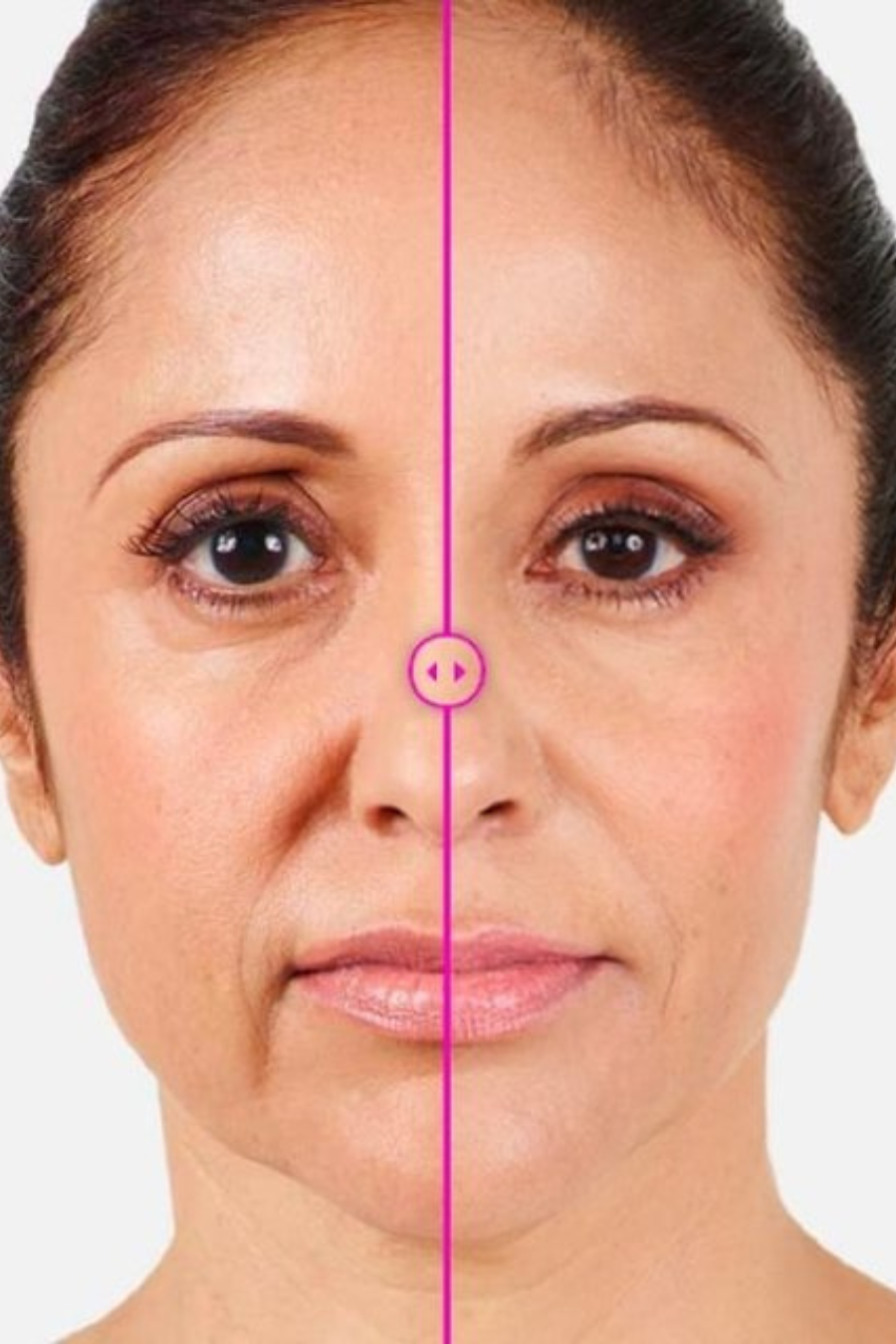
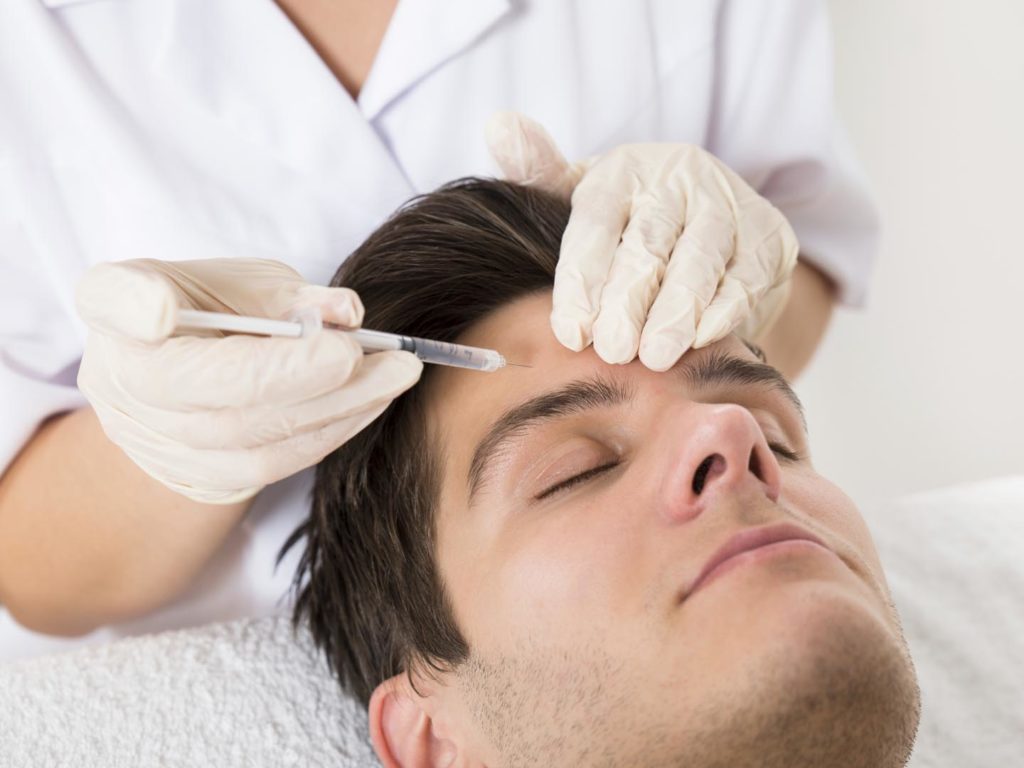
Treatment List
Botulinum toxin:
small areas such as smoking lines around the mouth or drooping mouth corner treatments can be treated with this method.
Dermal filler:
This can be used to restore volume and plumpness to the skin, smoothing out the lines and giving the face a more youthful refreshed appearance.
FAQ
Frequently Asked Questions
Good candidates for injectable treatments are typically in good overall health, have realistic expectations for the results, and are bothered by the appearance of nose to mouth lines, folds, and wrinkles.
Wrinkles form on the face as a result of a combination of factors including the natural aging process, sun exposure, and genetics. Also, repetitve muscle movements such as talking, smiling, smoking, and kissing can lead to wrinkles on the skin, which can become permanent over time.
The aging process can cause a reduction in collagen, hyaluronic acid, and elastin, leading to wrinkles even when the muscles are at rest. Sun exposure can also damage the skin and make it less able to return to its original shape. As we age, our cheeks sag, resulting in wrinkles around the nose and mouth, as well as drooping corners of the mouth.
Boulinum toxin : (Commonly known as Botox)
can help reduce the movement of frown muscles hence the frown line that you see when you try to frown is removed or reduced. It can also prevent the lines becoming deeper.
Dermal filler : Dermal fillers can be injected to plump up or fill the static frown lines. If you can see the frown line when you are not frowning, Dermal filler might be the best solution.
During your consultation, the doctor will medically examine you and advise which treatment is most suitable for you. Occasionally, the combination of both treatments are recommended. In this case, the result is normally longer lasting as both treatments help support the longevity of each other.
The treatment is typically well-tolerated and not very painful. Most injectable fillers contain lidocaine, a local anesthetic, to help minimize discomfort during the injection.
As with any medical procedure, there are risks and potential side effects associated with treatments for nose to mouth lines and folds. These may include bruising, swelling, infection, allergic reactions, and uneven results. It's important to discuss these risks with your doctor and to carefully follow any pre- and post-treatment instructions to minimize the likelihood of complications.
- Pregnant or breastfeeding women: Botox has not been studied in pregnant or breastfeeding women, and it is not known if it is safe for them to receive the injections.
- Individuals with neurological disorders: Botox injections may be risky for individuals with certain neurological disorders such as Myasthenia gravis, Eaton-Lambert syndrome, and other neuromuscular disorders.
- Individuals who are allergic to any of the ingredients in Botox: Some patients may be allergic to the ingredients in Botox and therefore should not receive the injections.
- If you have had facial surgery or plan to have surgery in the future
It's important to have a consultation with with a physician prior the treatment. They will take into consideration your medical history, current medications, and overall health status to determine if Botox is safe and appropriate for you.
- Avoid touching the treated area for at least 6 hours after the treatment to prevent infection.
- Avoid strenuous exercise, alcohol consumption, and sun exposure for the first 24 hours after the treatment to reduce the risk of bruising and swelling.
- Apply a cold compress or ice pack to the treated area to help reduce swelling and discomfort.
- Avoid any facial treatments, such as chemical peels or laser resurfacing, for at least 2 weeks after the treatment.
