
Jawline and Chin Enhancement
- Dermal Filler
- Jawline and Chin Enhancement
Jawline and Chin Enhancement
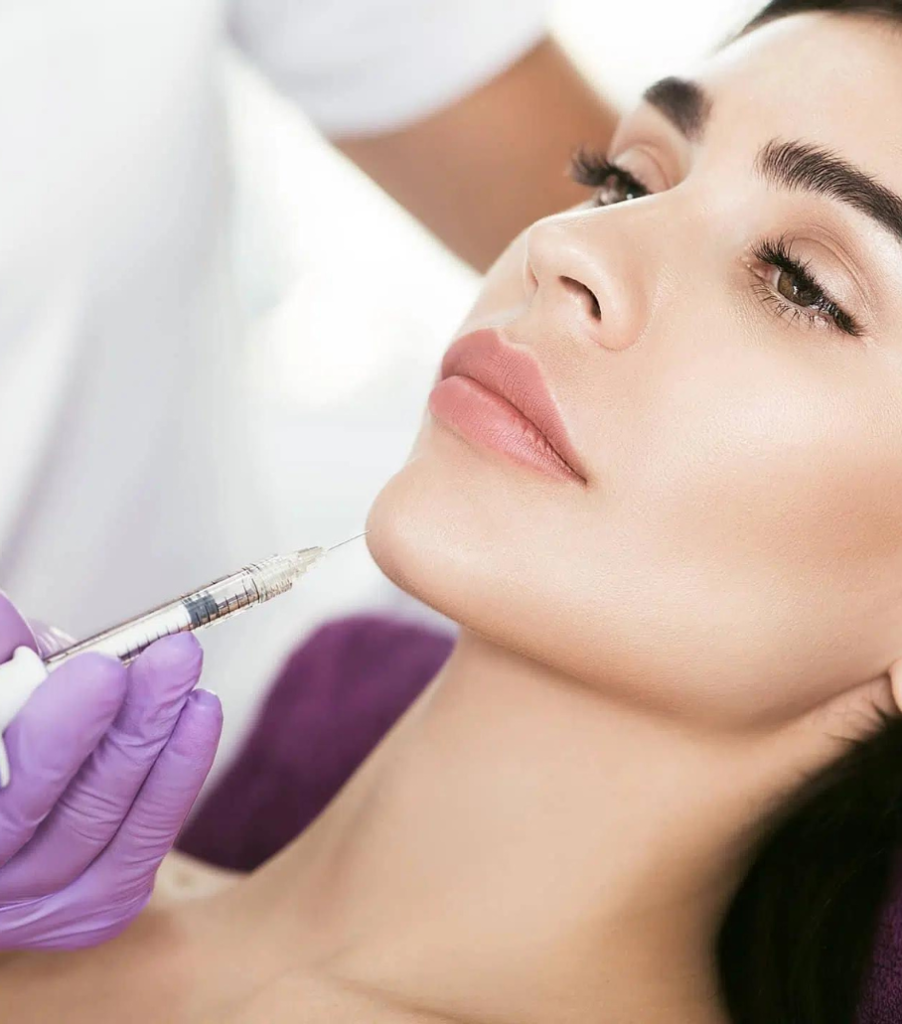
Jawline and chin filler treatments have the ability to enhance the overall appearance of the jaw and chin area, and can be tailored to suit the desired feminization or masculinization of the face. For a more masculine appearance, the aim is to create a wider, square, and sharper jawline and chin. For women, a softer appearance is desired, with a more oval shape to the face and a less pronounced jaw angle.
The primary advantage of non-surgical jaw line and chin enhancement using dermal fillers is the subtle yet significant improvement it can provide to the overall appearance of the face. It is a great way to balance facial features, enhance the profile of the face, and create a more youthful appearance.
Treatment
Dermal Fillers are an excellent way to shape and adjust a more satisfactory profile. Dermal Filler can be used on these areas to stiffen the skin and define the chin and jowl area, lessening the weakness of a weak jawline and chin.
FAQ
Frequently Asked Questions
- A weak or undefined chin or jawline
- Asymmetry in the jawline or chin area
- A desire for a more contoured or sculpted appearance in the lower face
The risks and side effects of non-surgical jaw line and chin enhancement are minimal and include bruising, swelling, and redness at the injection site. However, these effects are temporary and typically subside within a few days.
Most patients experience minimal discomfort during the procedure, and a topical anesthetic can be used to minimize any discomfort.
- Pregnant or breastfeeding women: Dermal fillers have not been studied in pregnant or breastfeeding women, so it's best for them to avoid the treatment during this time.
- People with a history of allergies or allergic reactions: If you have a history of allergic reactions or sensitivity to the ingredients in dermal fillers, you should not use them.
- People with certain skin conditions: Dermal fillers should not be used on individuals with active acne, eczema, or other inflammatory skin conditions.
t's important to have a candid conversation with the practitioner before deciding to have the treatment.
- Avoid touching or applying pressure to the treated area for at least 24 hours after the procedure.
- Avoid exposure to extreme temperatures, such as hot baths or saunas, for at least 48 hours after the procedure.
- Avoid strenuous exercise or physical activity that involves the hands for at least 24 hours after the procedure.
- Avoid consuming alcohol or taking blood-thinning medications for at least 24 hours after the procedure.
- Apply ice packs to the treated area to reduce swelling and bruising.
- Use moisturizing cream regularly to keep the skin hydrated and to maintain the results of the treatment.
