
Lip Enhancement
- Dermal Filler
- Lip Enhancement
Lip Enhancement
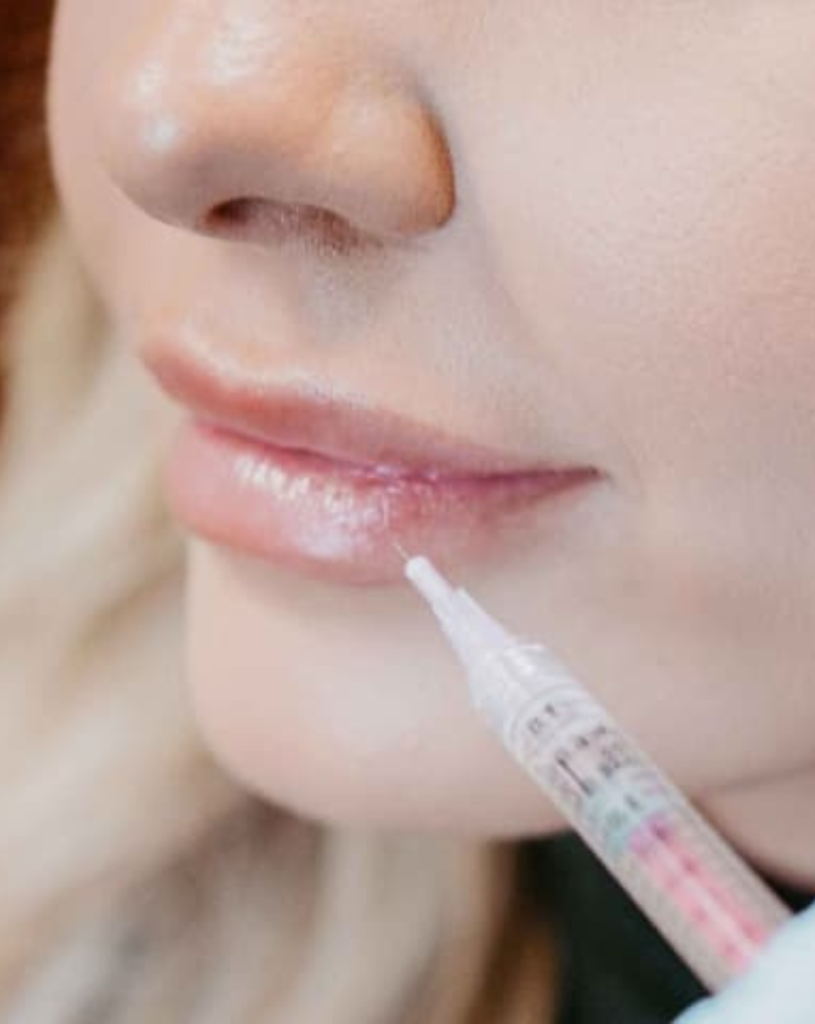
A lip filler injection, also known as lip augmentation, is a cosmetic procedure that involves injecting a dermal filler into the lips to enhance their shape, size, and/or volume.
The procedure is relatively quick and easy, and can provide natural-looking results that can last for several months.
When used to rejuvenate the lips, dermal fillers can be used to:
- Add volume to the lips
- Define the lip border
- Enhance the cupid’s bow
- Improve symmetry of the lips
- Plump up thin lips
- Add hydration and smooth out wrinkles
The amount of dermal filler used depends on the desired look and the current condition of the patient’s lips. In general, a small amount of filler can be used to create subtle changes, while a larger amount can be used to create more dramatic results.
TREATMENT PLAN
We understand that every individual is unique, and that’s why we offer a consultations to discuss the best treatment options for your desired look. Together, we will create a personalized treatment plan that is tailored to your unique needs and desired outcome.
FAQ
Frequently Asked Questions
Hyaluronic acid (HA) based dermal fillers are considered the gold standard for lip enhancement. HA is a natural biocompatible substance that is present in the body and it provides a natural-looking result. It also has a property of hydration that helps to keep the lips moist and plump.
These products have been well-studied and have been proven to be safe and effective for lip enhancement, with minimal risk of adverse reactions. Additionally, they can be dissolved if required using a product called hyaluronidase.
A lip filler procedure typically involves the following steps:
- Consultation: You will have a consultation with a practitioner to discuss your goals and desired outcome for the procedure. The practitioner will also conduct a thorough examination of your lips to ensure that you are a suitable candidate for the treatment.
- Numbing: Topical numbing cream or dental block may be applied to the lips to minimize discomfort during the procedure.
- Injection: The practitioner will use a fine needle to inject the dermal filler into the lips. The practitioner may use a small amount of filler at a time to gradually build up the volume.
- Aftercare: After the procedure, the practitioner will provide you with instructions on how to care for your lips. It's important to avoid strenuous activities and avoid any type of pressure on the lips for a period of time, to avoid dislodging the product.
- Follow-up: It is recommended to have a follow-up appointment after the procedure to evaluate the results and make any necessary adjustments.
The procedure itself takes around 15-30 minutes. However, this also includes pre-procedure consultation, numbing, and post-procedure care instructions.
The results of lip filler injections can be seen immediately, but it can take a few days for the final results to appear as swelling subsides.
The duration of the effect depends on the type of filler used and the individual's metabolism rate. Hyaluronic acid-based fillers typically last between 6-18 months. Depending on the individual's metabolism rate and their lifestyle, some people may find that they need to return for touch-up treatments before 12 months.
If a patient is not satisfied with the results or experiences any adverse effects, the filler can be dissolved using an enzyme called hyaluronidase.
Yes, you can still wear lip gloss or lipstick after getting lip filler injections, but it is best to avoid applying makeup to the lips for at least 24 hours after the procedure to minimize the risk of infection.
As with any medical procedure, there are potential risks and side effects associated with lip filler injections, including but not limited to swelling, redness, pain and infection.
Dermal fillers are generally considered safe, but there are certain individuals who should not use them, or should use them with caution. People who should avoid or be cautious when using dermal fillers include:
- Pregnant or breastfeeding women: Dermal fillers have not been studied in pregnant or breastfeeding women, so it's best for them to avoid the treatment during this time.
- People with a history of allergies or allergic reactions: If you have a history of allergic reactions or sensitivity to the ingredients in dermal fillers, you should not use them.
- People with certain skin conditions: Dermal fillers should not be used on individuals with active acne, eczema, or other inflammatory skin conditions.
- Avoid touching or rubbing the treated area for at least 24 hours after the procedure.
- Avoid strenuous exercise and activities that may increase blood flow to the face for the first 24-48 hours after treatment.
- Avoid alcohol and salty foods for the first 24 hours after treatment.
- Apply ice to the treated area as needed to reduce swelling and bruising.
- Use a gentle cleanser to wash the treated area and avoid exfoliating or scrubbing the area for at least 48 hours.
- Avoid extreme temperatures, such as hot baths or saunas, for at least 48 hours.
- Avoid dental procedures, including teeth cleaning, for at least one week after treatment.
