
Jawline Slimming/ Masseter Treatment
- Services
- Jawline Slimming
Jawline Slimming/ Masseter Treatment
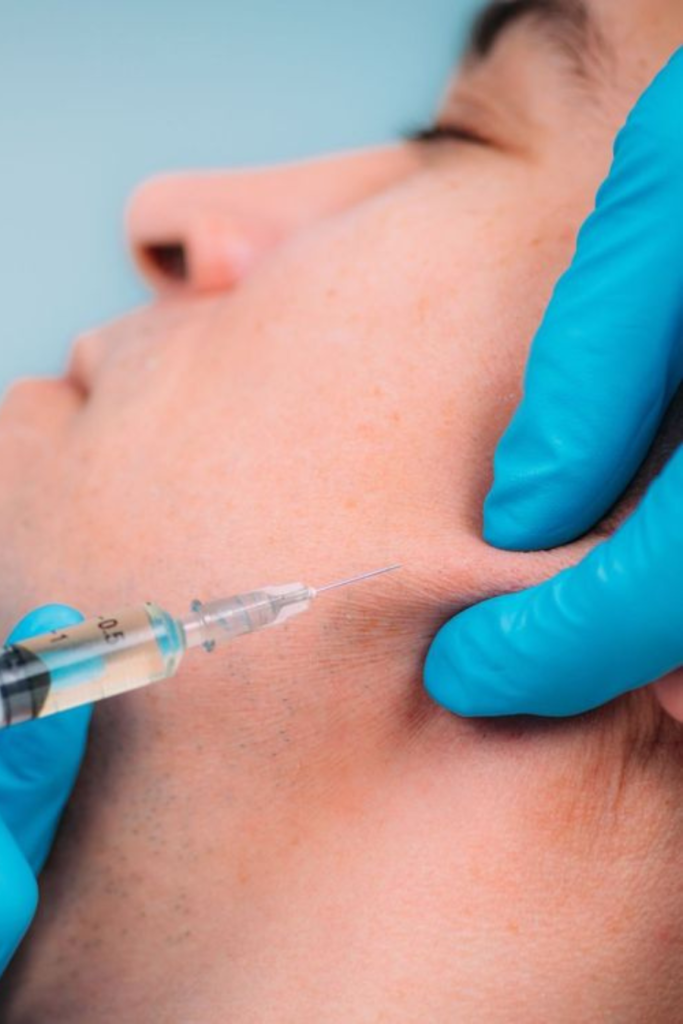
Jawline slimming with masseter Botox is a cosmetic procedure that involves the use of botulinum toxin (Botox) injections to slim and contour the jawline. The masseter muscle is a large muscle located on the sides of the jawline, responsible for chewing and clenching. Overdeveloped masseter muscles can cause a square and heavy appearance to the lower face, which some individuals may find undesirable.
Botox injections in the masseter muscle can relax the muscle and reduce its size, resulting in a slimmer and more contoured jawline. This treatment is suitable for individuals with a wide or square jawline, teeth grinding or jaw clenching habits, or for those who desire a more feminine or streamlined appearance to their lower face.
The procedure is quick and straightforward and typically takes only a few minutes to complete. A topical anesthetic cream may be applied to the skin to reduce discomfort during the injections, but this is usually unnecessary. Patients can return to their normal activities immediately after the treatment, with no downtime required.
Results from jawline slimming with masseter Botox can take up to 1-2 weeks to fully develop, and the effects typically last for 3-6 months. After this time, the masseter muscles will gradually regain their strength and size, and patients may choose to have follow-up treatments to maintain their results.
FAQ
Frequently Asked Questions
Good candidates for jawline slimming with masseter Botox are typically individuals who have a wide, square-shaped jawline due to overdeveloped masseter muscles.
The procedure is generally well-tolerated and is not typically painful. Some patients may experience mild discomfort during the injections, but this can be minimized with the use of a topical anesthetic cream.
The risks and side effects are generally minimal and may include temporary swelling, bruising, or redness at the injection site. In rare cases, there may be temporary weakness or numbness in the jaw or surrounding areas.
- Pregnant or breastfeeding women: Botox has not been studied in pregnant or breastfeeding women, and it is not known if it is safe for them to receive the injections.
- Individuals with neurological disorders: Botox injections may be risky for individuals with certain neurological disorders such as Myasthenia gravis, Eaton-Lambert syndrome, and other neuromuscular disorders.
- Individuals who are allergic to any of the ingredients in Botox: Some patients may be allergic to the ingredients in Botox and therefore should not receive the injections.
- If you have had facial surgery or plan to have surgery in the future
It's important to have a consultation with with a physician prior the treatment. They will take into consideration your medical history, current medications, and overall health status to determine if Botox is safe and appropriate for you.
- Avoid touching the treated area: It's important to avoid touching or rubbing the treated area for at least six hours after the procedure to prevent the Botox from spreading to other muscles.
- Avoid exercise: For the first 24 hours after treatment, it's recommended to avoid any strenuous exercise or activities that may increase blood flow to the treated area.
- Avoid alcohol: It's also recommended to avoid alcohol for the first 24 hours after the treatment as it can increase bruising and swelling.
- Apply cold compresses: If there is any swelling or bruising, you can apply a cold compress to the treated area for 10-15 minutes at a time, several times a day.
- Stay hydrated: Drink plenty of water to help flush out any toxins and help the Botox settle into the muscles.
